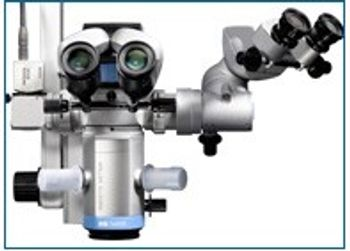
Moller-Wedel ALLEGRA 900
 Moller-Wedel · Model ALLEGRA 900
Via a beam splitter, MÖLLER ALLEGRA 900 can be equipped with adapters for video, still, and digital cameras, as well as with a stereoscopic observer scope. Furthermore, a 1 CCD video camera can be integrated to reduce the microscope's lengt By means of a sterilizable knob, the following diaphragm and filters can be selected: Overall illumination of the visual field Mini spot and spot Daylight filter Blue filter Green filter Softlight filter Yellow UV filter.
Typical Failure Modes
Compiled for this model from its own documentation and established engineering knowledge for this equipment class - not from a verified service record. Confirm against the manufacturer's service manual.
Illumination failure or dim light
HighSymptoms: No or dim light, sudden loss during use.
Root cause: Lamp at end of life or a lamp-mount / power-supply fault.
Suspension / swing arm drift
HighSymptoms: Head drifts or will not stay positioned after an accessory change.
Root cause: Swing arm not re-balanced after changing a camera/splitter/observer scope, or worn arm brakes.
Motorised focus fault
MediumSymptoms: Motorised focus will not run or is erratic.
Root cause: Focus motor, hand/foot control, or cabling.
Filter / diaphragm selector stuck
LowSymptoms: Sterilizable knob will not select spot / filters cleanly.
Root cause: Worn selector detent.
Serviceable Parts & Consumables
Serviceable items for this model, compiled from its documentation and engineering knowledge for this equipment class. Service class and relative cost are estimates, not manufacturer figures; no part numbers are given. Confirm intervals and pricing against the manufacturer.
Illumination lamp
Class Frequent wear itemRel. cost $R&R Fairly easy
Lamp / power supply module
Class Major service partRel. cost $$R&R Moderate
Swing-arm brake / balance assembly
Class Major service partRel. cost $$$R&R Difficult
Focus motor assembly
Class Major service partRel. cost $$$R&R Difficult
Filter / diaphragm selector assembly
Class Major service partRel. cost $$R&R Moderate
| Part | Service class | Relative cost | R&R difficulty |
|---|---|---|---|
| Illumination lamp | Frequent wear item | $ | Fairly easy |
| Lamp / power supply module | Major service part | $$ | Moderate |
| Swing-arm brake / balance assembly | Major service part | $$$ | Difficult |
| Focus motor assembly | Major service part | $$$ | Difficult |
| Filter / diaphragm selector assembly | Major service part | $$ | Moderate |
Relative cost: $ lowest · $$$$ highest service-part cost for this equipment class. Not a price.
Troubleshooting Approach
A starting sequence for this model, compiled from its documentation and engineering knowledge for this equipment class. Follow the manufacturer's service documentation for the actual procedure.
Symptom: No or dim light
- Unplug before touching the lamp; let it cool.
- Replace the lamp.
- Check the power supply output.
- Confirm the lamp mount is seated.
- Verify even, full-brightness illumination.
Symptom: Head will not hold position
- Re-balance the swing arm for the current accessory load.
- Adjust the arm brakes.
- Replace the brake / balance assembly if it will not hold.
- Return the arm to transport position when moving the stand.
- Confirm the head stays put across the working range.
Technical Specs
- Focusing
- Motorized
Documents & Manuals
Troubleshoot this device with Bio
Describe a symptom or error code. Bio answers from this device's own documented error codes, failure modes, parts, and guides.
Ask Bio