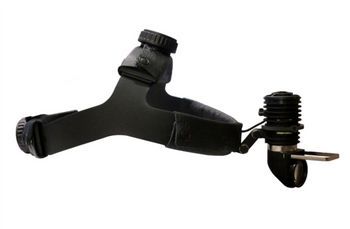
DRE Xavier-C3 LED
 DRE · Model Xavier-C3 LED
50,000 hour 3-watt LED 4,500 foot candles at 10" working distance Variable intensity control Convenient belt-clip battery pack Battery Life of 7.5 to 100 hours, based on light intensity Quick, 3-hour battery charge time Light spot size range: 0.25" to 2" at a 10" working distance Pinpoint spot adjustment Lightweight, comfortable headband (options include firm nylon and fabric sport band) 100V - 240V charger Autoclavable positioning bar provides sterile adjustability Pivot points allow for exceptional coaxial alignment.
Key tips
- ·Never defeat or bypass a return-electrode monitoring (REM) alarm to finish a case - it's a direct burn risk.
- ·Verify OR table battery backup - a table that loses power mid-procedure is a real, documented incident type.
- ·Track surgical light lamp-hours rather than waiting for failure - a sudden failure mid-case is avoidable.
Typical Failure Modes
Compiled for this model from its own documentation and established engineering knowledge for this equipment class - not from a verified service record. Confirm against the manufacturer's service manual.
No or dim light output
HighSymptoms: Headlight out, dim, flickering, or colour shift.
Root cause: LED module / xenon lamp at end of life, a driver / power-supply fault, or a fibre-optic / light-cable fault.
Fibre-optic cable fault
MediumSymptoms: Noticeably dim spot, dark speckle in the beam.
Root cause: Broken fibres in the light cable (common wear item).
Battery / belt-pack fault (portable LED)
MediumSymptoms: Short run time, will not charge, cuts out.
Root cause: Aged battery pack.
Headband / focus / mechanical fault
LowSymptoms: Headband will not hold adjustment, spot will not focus, hinge loose.
Root cause: Worn headband ratchet or focus mechanism.
Fan / thermal fault (light source)
LowSymptoms: Source overheats or shuts down, loud fan.
Root cause: Failed or clogged cooling fan.
Serviceable Parts & Consumables
Serviceable items for this model, compiled from its documentation and engineering knowledge for this equipment class. Service class and relative cost are estimates, not manufacturer figures; no part numbers are given. Confirm intervals and pricing against the manufacturer.
LED module / xenon lamp
Class Frequent wear itemRel. cost $$R&R Fairly easy
Fibre-optic light cable
Class Frequent wear itemRel. cost $$R&R Easy
Battery / belt pack (portable)
Class Periodic replacementRel. cost $$R&R Fairly easy
Driver / power supply
Class Major service partRel. cost $$R&R Moderate
Headband ratchet / focus assembly
Class Periodic replacementRel. cost $$R&R Fairly easy
| Part | Service class | Relative cost | R&R difficulty |
|---|---|---|---|
| LED module / xenon lamp | Frequent wear item | $$ | Fairly easy |
| Fibre-optic light cable | Frequent wear item | $$ | Easy |
| Battery / belt pack (portable) | Periodic replacement | $$ | Fairly easy |
| Driver / power supply | Major service part | $$ | Moderate |
| Headband ratchet / focus assembly | Periodic replacement | $$ | Fairly easy |
Relative cost: $ lowest · $$$$ highest service-part cost for this equipment class. Not a price.
PM Checklist
Preventive-maintenance tasks typical of this equipment class. Perform to the manufacturer's procedure and your facility's policy - this is general reference, not a schedule for this specific unit.
- ·Pre-case functional check
- ·Electrosurgical return-electrode cable inspection
- ·Table hydraulic / mechanical inspection
- ·Annual electrical safety test and full PM
Troubleshooting Approach
A starting sequence for this model, compiled from its documentation and engineering knowledge for this equipment class. Follow the manufacturer's service documentation for the actual procedure.
Symptom: No or dim light
- Check the lamp / LED hours and replace the module if near / past its rating.
- Inspect the fibre-optic cable for dark fibres against a bright light and swap it.
- Confirm the battery is charged (portable) or the source powers up.
- Replace the driver / power supply if the source will not light.
- Verify full brightness with a known-good cable.
Symptom: Short battery run time (portable)
- Charge fully and check the charger.
- Run a battery capacity check if supported.
- Replace the battery / belt pack.
- Confirm run time returns to spec.
- Inspect the pack connector and cable.
Typical Location
Where this class of equipment is typically deployed - general reference, not this unit's own placement record.
- Operating rooms
- Procedure rooms
- Interventional suites
Documents & Manuals
Troubleshoot this device with Bio
Describe a symptom or error code. Bio answers from this device's own documented error codes, failure modes, parts, and guides.
Ask Bio